_47f92cea.png)

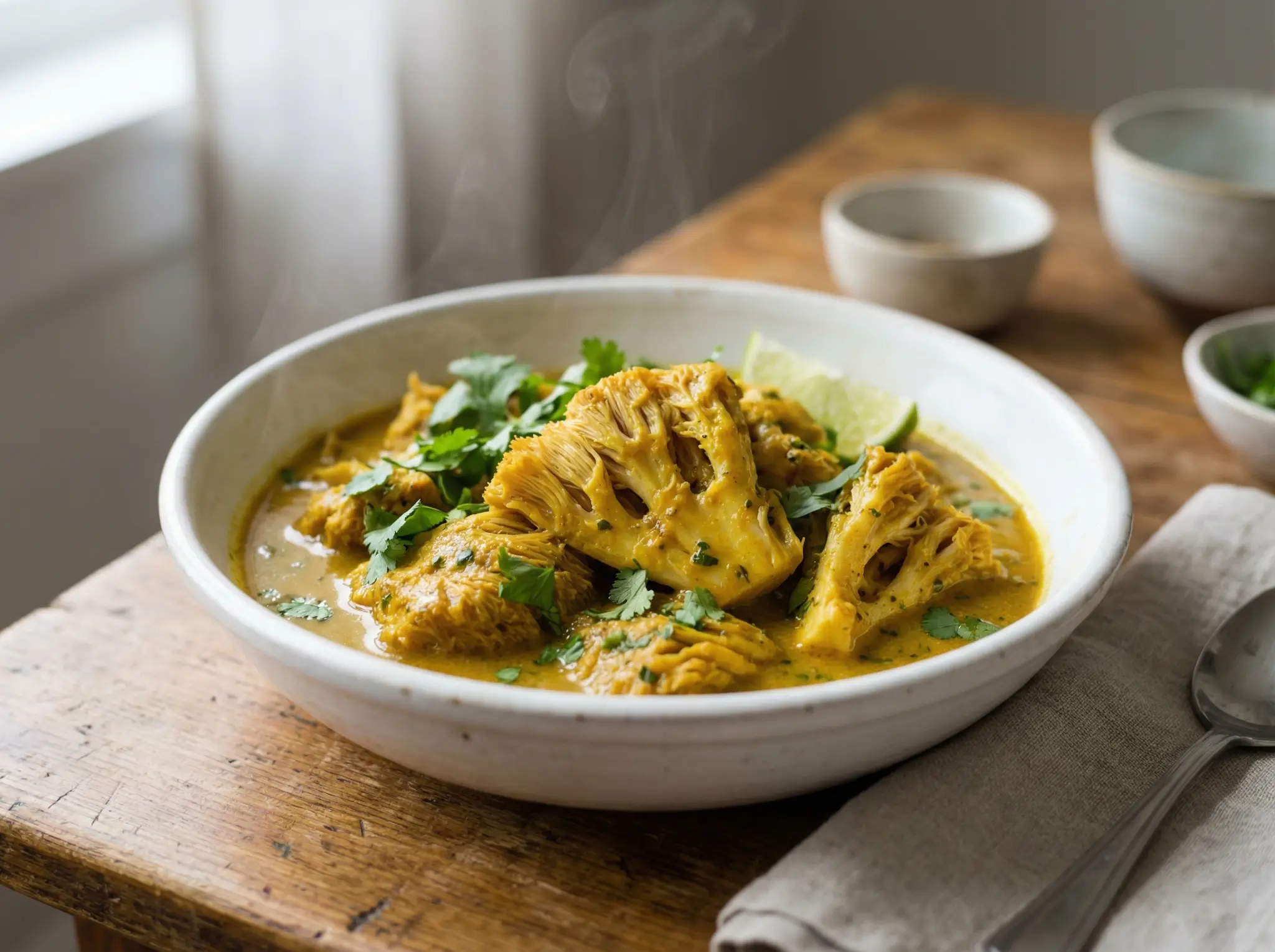
Crab Flavor.
Zero Crab.
- 100% Plant-Based · Allium-Free
- Lion's Mane ≥13%
- Frozen Fresh at −18°C
- No Artificial Flavors · No Preservatives · No Artificial Colors
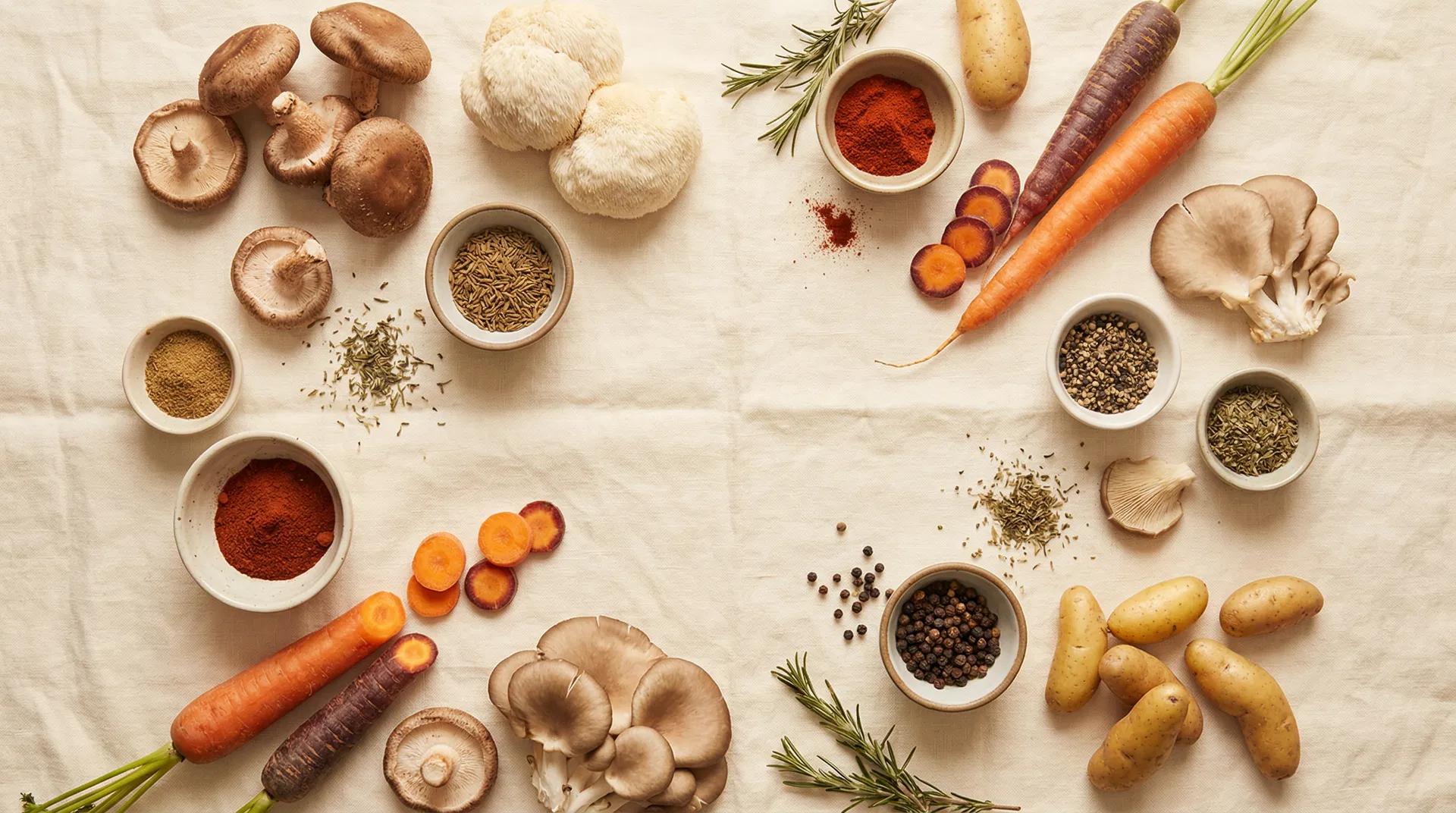
"Crab flavor" is a flavor description only. Contains no crab or crab extracts. The crab-like taste is naturally developed from carrots, shiitake, potato, and lion's mane mushroom through Maillard flavor technology.
Lion's Mane /
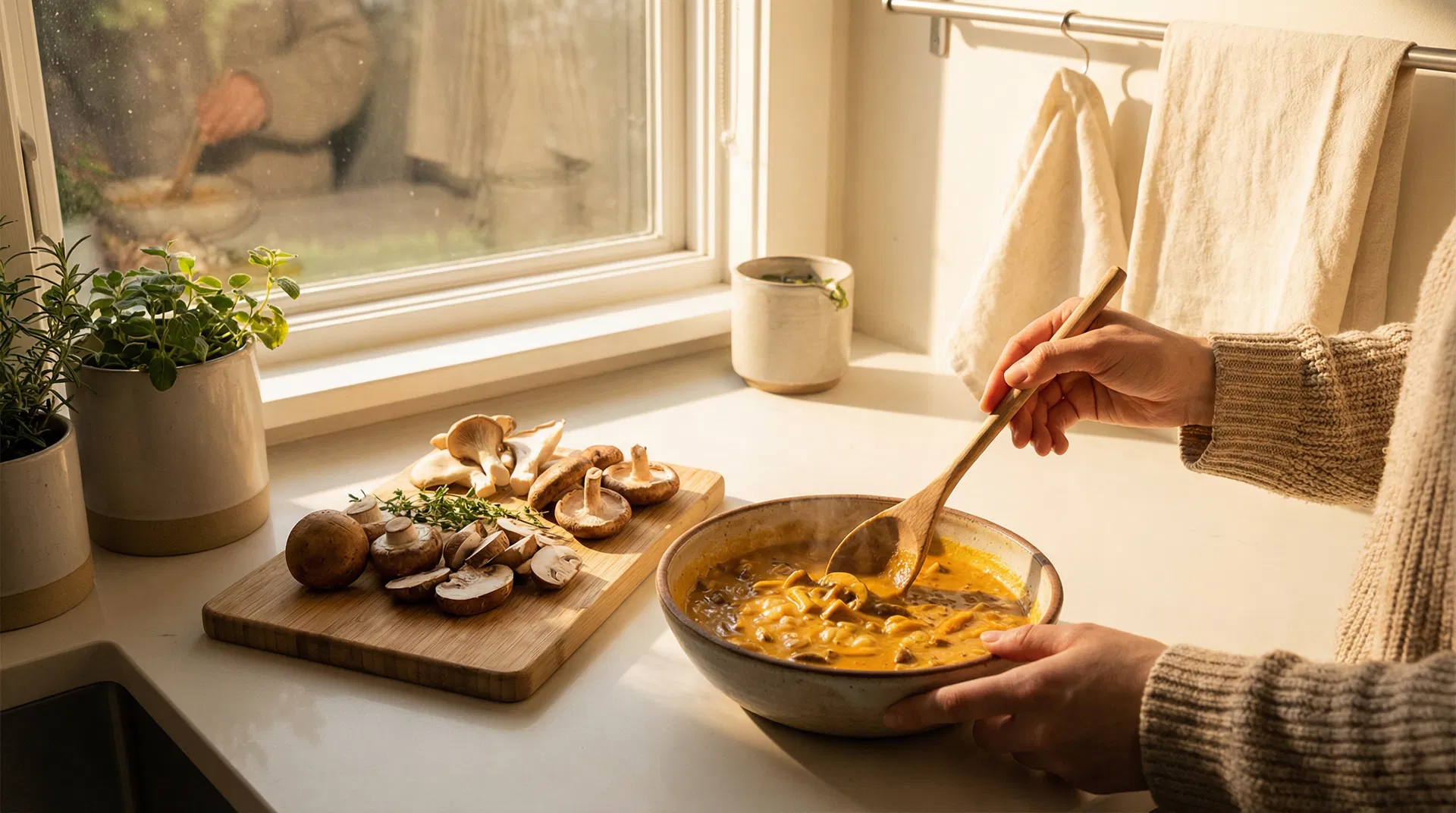
Vegan Crab-Flavor Sauce
Watch how our mushroom fiber shredding technology creates the taste and texture of crab — entirely from plants.
Wishwill · 猴头菇素蟹味酱 · Shanghai, China
A Paradigm Shift,
Not an Optimization
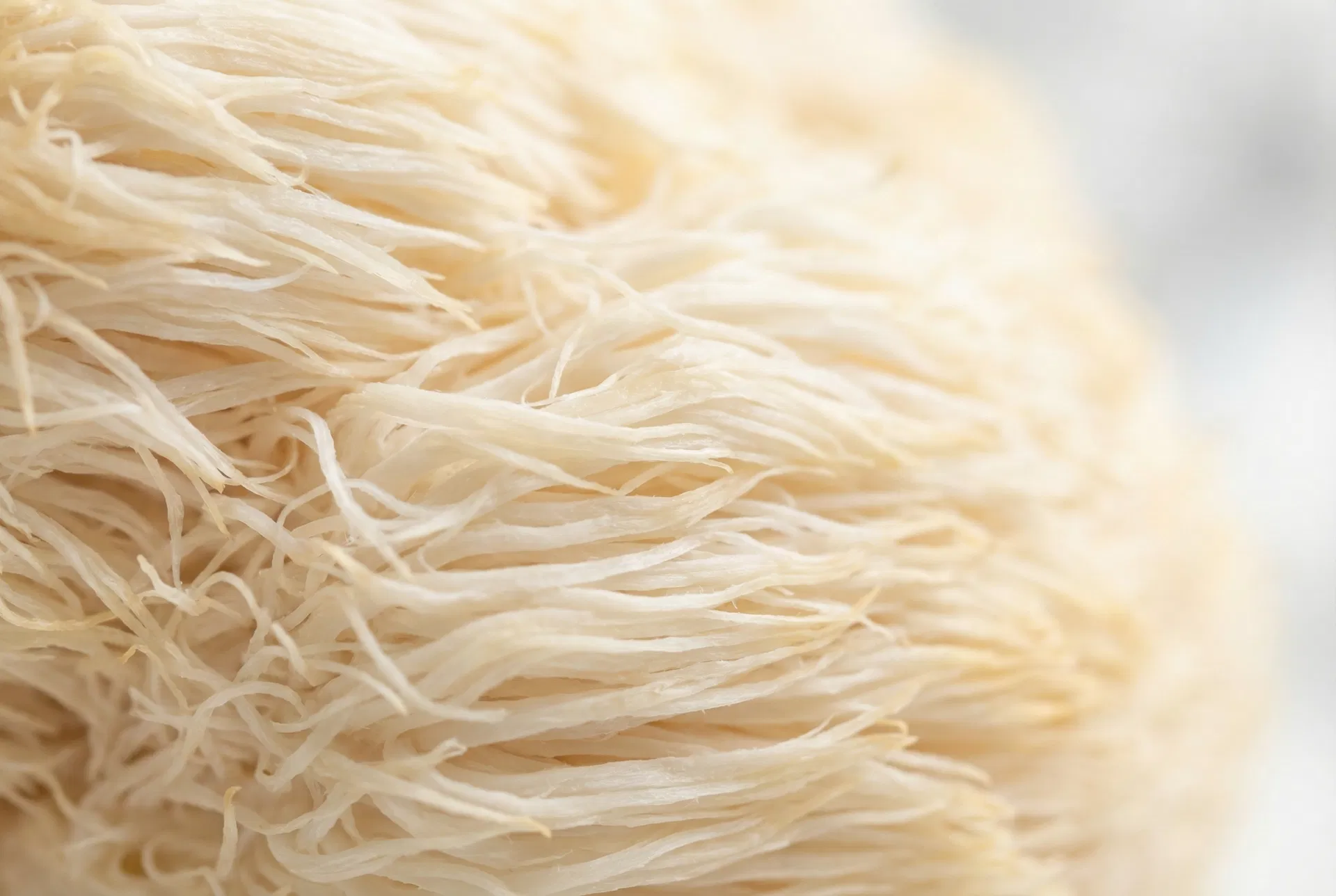
Lion's Mane
Mushroom Fiber
For 30 years, the plant-based industry chose the fastest path: extruding soy protein to mimic meat. The result? Over-processed, artificially flavored, and indistinguishable products. We chose a different path entirely.
Mushrooms are nature's own fibrous protein carriers. By shredding and reconstructing their natural fiber structure, we create food that tastes real because it is real.
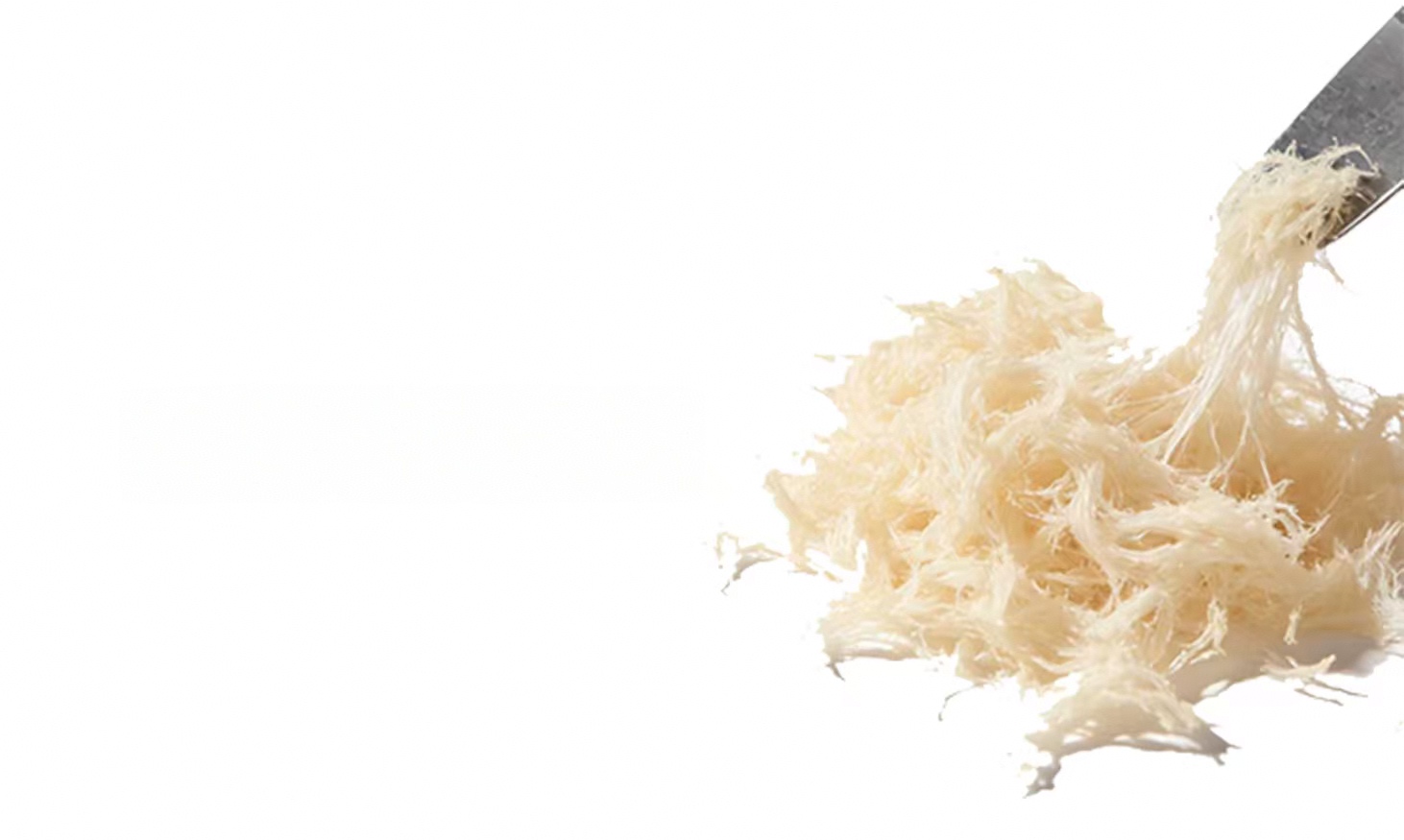
Mushroom Fiber Shredding
We unlock the natural fibrous structure of mushrooms — nature's own protein scaffold — through precision shredding that preserves directional fiber alignment.
Structural Reconstruction
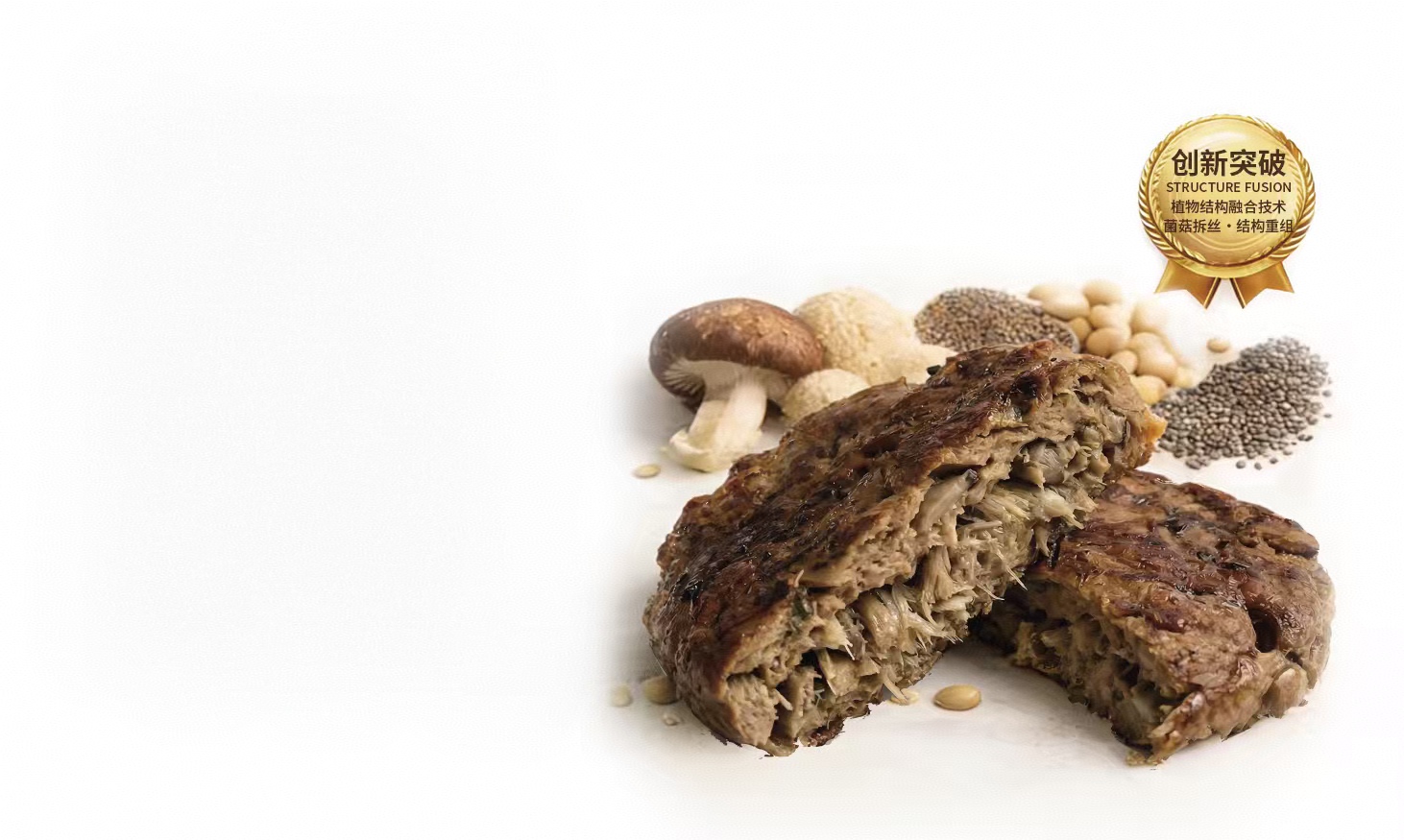
Shredded fibers are reassembled into modular food structures: patties, sausages, meatballs, and chunks — all with texture that comes from structure, not additives.
No Additives. No Deception.
Zero artificial flavors, no gums, no masking agents. Every bite is honest — the taste and texture you experience is the ingredient itself.
Three Layers,
One System
Wishwill's product architecture is built like a pyramid. The foundation is the technology — mushroom fiber shredding. The middle layer is the modular structural unit. The top layer is infinite product expression.
This means one core technology can power hundreds of product SKUs across different cuisines, formats, and consumer occasions — without reinventing the manufacturing process each time.
Top Layer
Product Forms & Scenarios
Middle Layer
Restructured Modules
Foundation
Mushroom Fiber Technology
Product Architecture Diagram
Built Layer by Layer,
From the Ground Up
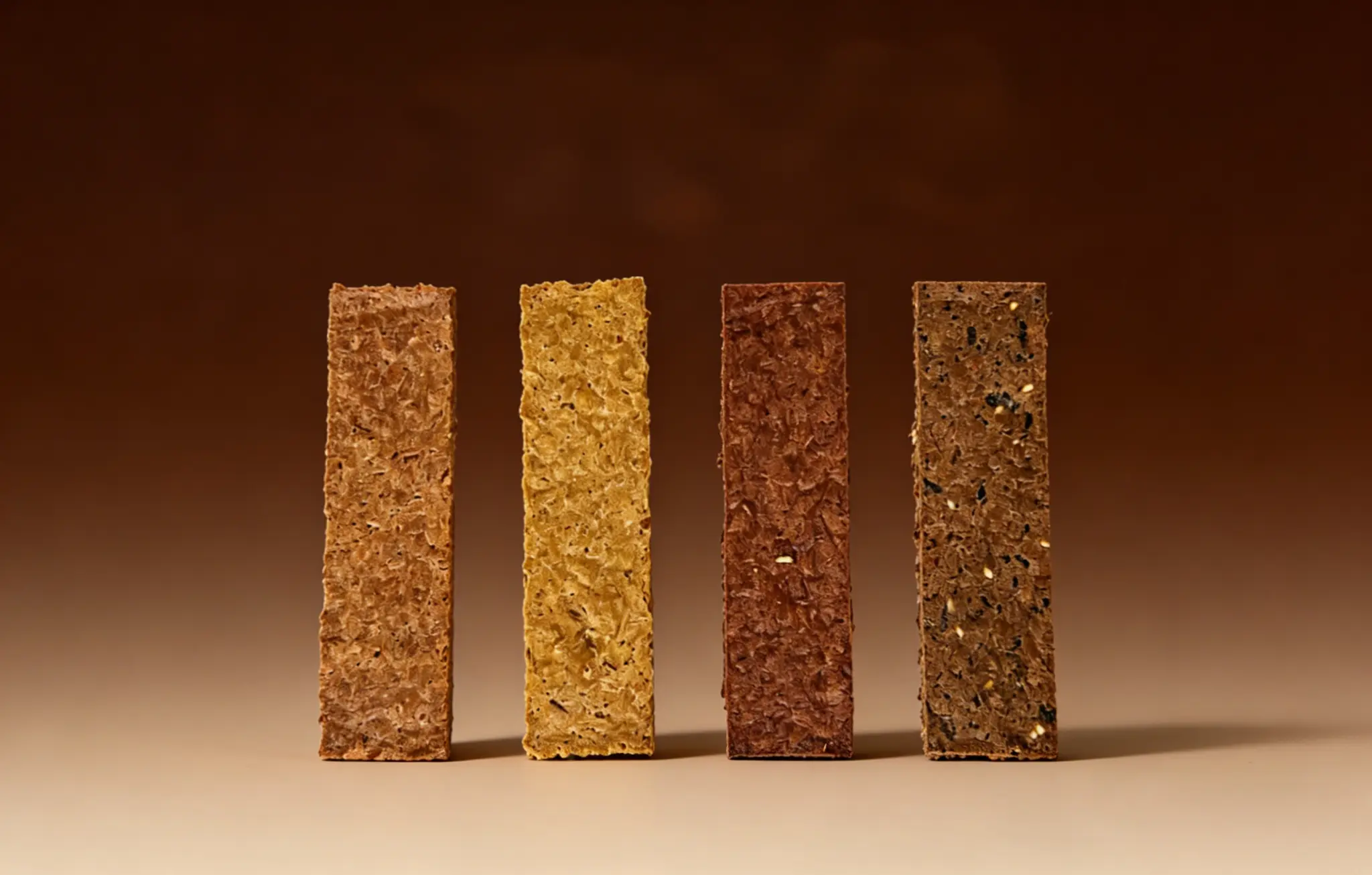
Mushroom Plant Protein Bar
Wishwill Savory Functional Plant Protein Bar
One bar, real satiety. Savory flavor closer to real food — 6g plant protein, 75 kcal, 0 sucrose, 0 trans fat.
Debittered Wet Lion's Mane
Lion's Mane Retort Pouch
Break the barrier — ready in 10 minutes. Pre-debittered, pre-cut, ready to braise. No soaking, organic certified.
_ab272fdd.webp)
Lion's Mane Crab-Flavor Sauce
猴头菇素蟹味酱
Our debut product. Starting from natural mushroom fiber as the foundation, our shredding and reconstruction technology creates a rich, umami-forward sauce that delivers genuine texture — no artificial flavors, no gums.
_b3f6115c.webp)
Super Mushroom Patty
超级菌菇排
The flagship product. Modular shredded mushroom fiber restructured into a center-of-plate protein experience — patties, sausages, meatballs, and chunks. Scalable, versatile, and genuinely delicious.
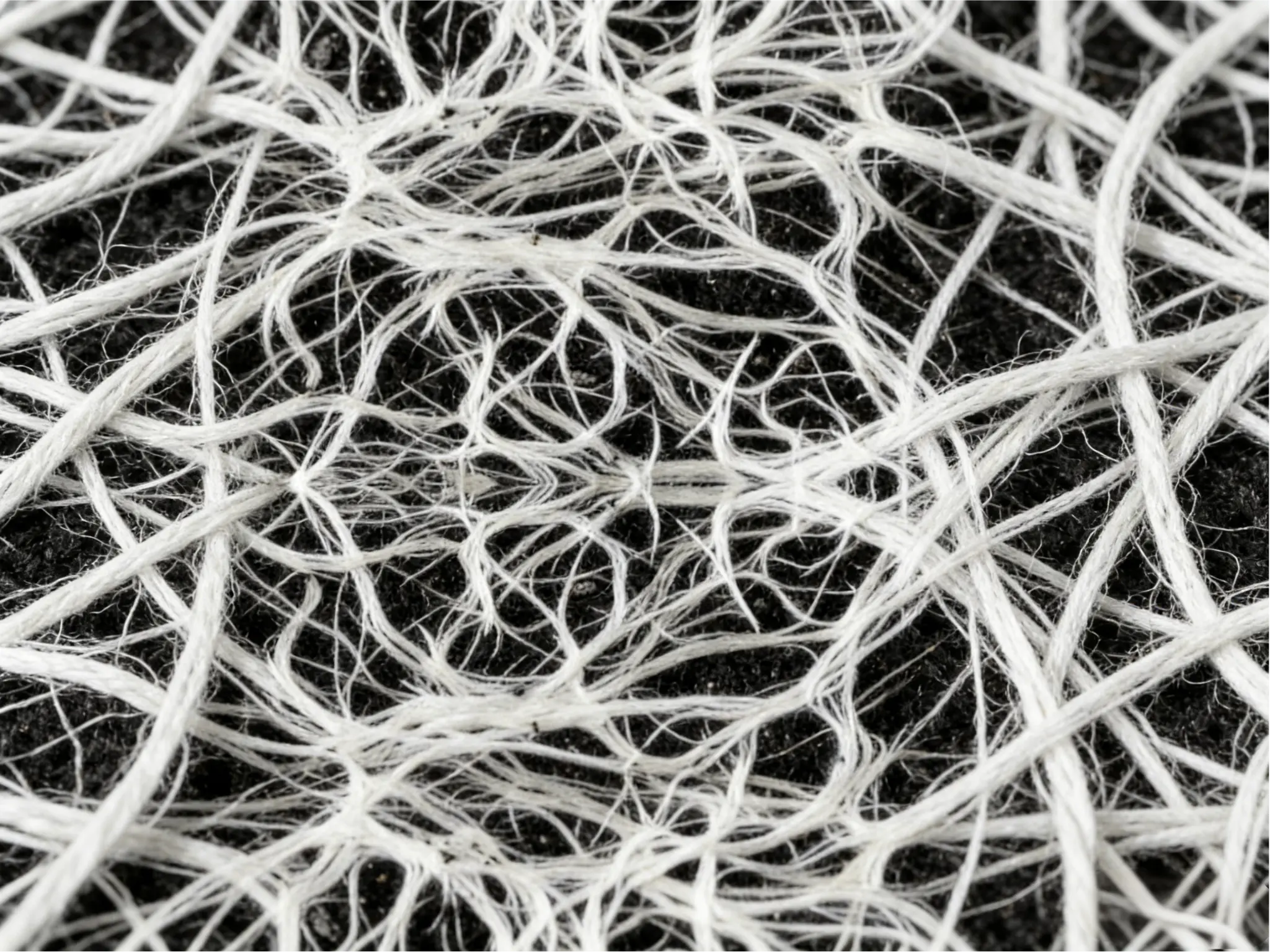
Mycelium Fermentation
菌丝体发酵技术
The next frontier. Direct mycelium fermentation to generate target fiber structures from the ground up — dramatically reducing cost while maintaining the structural integrity that defines Wishwill.
Mushroom-Based
Nature's fibrous protein carrier
No Additives
Free from gums, flavors & preservatives
Sustainable
Upcycled ingredients, minimal waste
Science-Backed
Patented structural reconstruction
Lion's Mane —
Ancient Wisdom, Modern Science
"民皆好啖猴头羹,虽五肉臛不能及之。"
— 《隋书·经籍志》(Sui Shu, c. 636 AD)
"The people all love to eat Lion's Mane soup — even the finest meat broths cannot compare."
《本草纲目拾遗》· Zhao Xuemin, Qing Dynasty
Listed Lion's Mane among the supreme "Mountain Delicacies" (山珍), recording its properties to tonify the five organs, aid digestion, and strengthen the body — reserved for imperial banquets.
《滇南本草》· Lan Mao, Ming Dynasty
Documented its use for "broadening the intestines, reducing qi stagnation, and treating edema" — evidence of its dual role as both culinary delicacy and medicinal herb across dynasties.
For over three millennia, Lion's Mane (Hericium erinaceus) has occupied a singular place in Chinese culinary and medicinal tradition. Known as Hou Tou Gu, it was prized alongside bear paw and shark fin as one of the Eight Great Mountain Delicacies — a food so rare and revered it appeared only at imperial feasts. Today, modern neuroscience is beginning to understand what ancient physicians already knew: this mushroom does something remarkable to the brain.
Nerve Growth Factor (NGF)
Hericenones and erinacines — unique bioactive compounds found only in Lion's Mane — directly stimulate the synthesis of NGF, a protein essential for the growth, maintenance, and survival of neurons.
Neurogenesis & Memory
Clinical studies show Lion's Mane supplementation improves hippocampal neurogenesis, recognition memory, and cognitive performance in both aging and healthy young adults.
Neuroprotection
Erinacines exhibit potent anti-inflammatory and antioxidant properties, protecting neurons from oxidative stress — a key mechanism in preventing neurodegenerative diseases like Alzheimer's and Parkinson's.
Gut-Brain Axis
Beyond the brain, Lion's Mane supports the gut-brain axis by modulating gut microbiota and reducing intestinal inflammation, reinforcing its traditional use for digestive health in TCM.
Key Bioactive Compounds
Hericenones & Erinacines —
Nature's Only Known NGF Inducers
These two classes of compounds, found exclusively in Hericium erinaceus, are the only naturally occurring small molecules known to cross the blood-brain barrier and directly stimulate Nerve Growth Factor (NGF) and Brain-Derived Neurotrophic Factor (BDNF) synthesis. No other food source has demonstrated this dual mechanism.
All references are peer-reviewed publications indexed in PubMed / NCBI. Citation counts as of 2025.
Neurotrophic and Neuroprotective Effects of Hericium erinaceus
International Journal of Molecular Sciences
DOI: 10.3390/ijms242115960
The Acute and Chronic Effects of Lion's Mane Mushroom Supplementation on Cognitive Function, Stress and Mood in Young Adults
Nutrients
DOI: 10.3390/nu15224842
Hericenones and Erinacines: Stimulators of Nerve Growth Factor (NGF) Biosynthesis in Hericium erinaceus
Journal of Natural Medicines
DOI: 10.1080/21501201003735556
Neurohealth Properties of Hericium erinaceus Mycelia Enriched with Erinacines
Behavioural Neurology
DOI: 10.1155/2018/5802634
Hericium erinaceus Improves Recognition Memory and Induces Hippocampal and Cerebellar Neurogenesis in Frail Mice during Aging
Nutrients
DOI: 10.3390/nu11040715
Hericerin Derivatives Activates a Pan-Neurotrophic Pathway in Central Hippocampal Neurons
Journal of Neurochemistry
DOI: 10.1111/jnc.15767
He wants to rewrite the structural
foundation of McDonald's and KFC
If one day a new structural standard appears in the global fast food system — originating from China, relying neither on animals nor heavy processing — its starting point will likely be this still-overlooked Super Mushroom Patty. The beginning of this path is not technology. It is one person's turning point, and the collective will of a community.
If you could only look at one person,
why him?
Yuanzhao Zhang is not the kind of person who "picked the right track on the first try." Instead, he is more like a microcosm of China's consumer and food industry over the past decade: restaurant chains, franchise expansion, brand failures, supply chain battles, capital cycles, technological frontiers, and deep self-reflection — he has fallen into nearly every trap.
He started entrepreneurship in university, from automated fresh milk vending machines and music training, to studying and working in the UK, cooking in a Michelin-starred restaurant, co-founding iTea-BOX. Back in China, he built delivery kitchens, restaurant chains, consumer goods and functional foods, and went deep into biotech at CellX, leading commercialization of cultured meat and fermented mycelium protein.
On paper, this is someone who has built from zero to one multiple times, who understands business, product, and failure. But what truly makes him interesting is not how much he has done — it is when he finally learned to stop.
For many years, he chased scale, speed, and self-validation. Until repeated loss of control after expansion, physical and mental exhaustion, and project failures during the pandemic forced him to ask: if I could do it again, would I still only be responsible for capital returns — and not for the growth of my own life and the lives of others?
It was also during that time that a long-standing quality in him became unusually clear: he was willing to repeatedly walk toward the edge of uncertainty. During the Wenchuan earthquake, he organized a volunteer rescue team; during the pandemic, he was recognized as an outstanding Shanghai volunteer; pursuing depth records in freediving, he suffered a lung squeeze and was rescued by helicopter; afraid of heights, he chose to bungee jump multiple times — not for the thrill, but to confirm: at the edge of fear, how much courage do I still have?
"Life is complex. You have to keep thinking to find the simple thread that runs through it."
From "faster, bigger, more successful"
to "put people back at the center"
A dinner gathering in 2023 became a pivotal turning point for Yuanzhao. It was not a fundraising meeting, nor a business gathering — it was a group of plant-based practitioners, entrepreneurs, and scholars sitting together, sharing their genuine experiences of personal growth.
In that moment, he clearly felt for the first time that throughout his decade-plus of entrepreneurship, he had always been seeking answers outward, rarely confirming direction inward. After that day, he decided to try a fully plant-based diet, and decided that if he were to start a business again, he would slow down — not in execution, but in the ordering of values.
He named the new company "Xiandao Xiande" (先道先得 — "Way First, Gain Follows"), not as an abstract concept, but as a practical judgment: if a company ignores the state of its people and the long-term cost, the short-term "gain" will often come back to consume everything on a longer timescale.
He often uses an analogy: ships have shipping lanes, cars have racetracks, planes have flight paths, even stars have their own orbits. The further you deviate from your path, the faster you run, the greater the cost — and life should be no different.
"Know where to stop, then you can be settled; settled, then you can be still; still, then you can be at peace; at peace, then you can deliberate; deliberate, then you can attain." — The Great Learning
A Peking University professor, upon seeing "Xiandao Xiande" and what the company aimed to do, offered him a phrase: "The Way is near, yet people seek it far; the matter is simple, yet people seek it in difficulty." This was later written on the company's glass wall as a constant reminder.
先道
先得
Find the Way first, then the Gain follows. The company's name — and the founder's life principle.
Why not just build
another "vegan" brand?
Not a choice of meat vs. plant
Many assume Yuanzhao is doing 'vegan entrepreneurship.' But if you truly understand what he is building, you will find this is not a choice between meat and plants — it is a judgment about the direction of food evolution.
Structure is the core
What made global fast food and processed food truly successful was never 'meat' itself, but a set of replicable, scalable structural units built around it: burger patties, sausages, meatballs, chicken cutlets. When the plant-based wave arrived, most players chose the fastest path — soy protein extrusion to simulate meat. The result: over-processed, additive-dependent, and the market quickly became disillusioned.
Internal coherence of systems
Through years of freediving training, he became unusually sensitive to 'structure.' Underwater, any small structural flaw is rapidly amplified by the environment. He gradually realized: truly reliable systems are not built by stacking external forces, but by the internal coherence of the system itself. Food is no different.
Be the first person
who "doesn't" eat crab
During his time at CellX, the team pushed morel mushroom mycelium fermented protein toward overseas FDA compliance — a process that also became the starting point for Wishwill, the brand under Xiandao Xiande.
Unlike soy extrusion, he and his team chose a path closer to natural logic — starting from the natural fiber of shredded mushrooms, building the fundamental structure of a series of products.
Wishwill's first product, the Lion's Mane Vegan Crab-Flavor Sauce, was no accident. Research showed that in the Yangtze River Delta and Southeast Asian coastal regions, "crab flavor" is a stable and high-frequency taste profile — but real crab supply chains carry long-standing risks of antibiotic overuse and heavy metal contamination.
The team used shredded lion's mane mushroom to simulate the tearing texture of crab meat, then used a more natural plant-based Maillard reaction to "create" the aroma — so this bowl of crab fragrance need not come from any crab.
"Be the first person who doesn't eat crab." — Their offering of a different choice to the market.
Today, the team has brought this product to Hong Kong and overseas markets. Food evolution is not "more processing = more advanced" — it is multi-objective optimization: balancing structure and texture, nutrition and energy density, clean labels, cost and scalability.
It's not that the opportunity wasn't there —
the person just wasn't ready
Looking back over the past years, Yuanzhao does not believe that plant-based food "couldn't have been done before." On the contrary — the wave had appeared long ago, and the direction was not unfamiliar. The real difference is not whether the era was ready, but: when a person has not yet found their own "Way," even standing in front of the right thing, they may not be able to do it well.
He has a near-brutal self-reflection on this point. For a long time, his life and entrepreneurship were in a state of high consumption: goals constantly moving forward, pace continuously accelerating, energy repeatedly pulled in different directions. It looked like progress, but in reality, energy was constantly leaking outward.
He only gradually realized — if a person lacks clear judgment about "where to stop," lacks awareness of the leaks in their life, then so-called effort often only amplifies the consumption. This is also why he truly began to value "purity." For him, purity is not only a concept at the food level.
Therefore, in a state of internal and external stability, to then work on food — to talk about structure, substitution, and the long term — is to not let these things contradict each other. Even "failure" will become nourishment for the journey of life.
Entrepreneurship, like life, is complex —
Wish is the thread you can pick up first
On Yidao Island in Shanghai — a purely plant-based island — this company has no rigid KPIs. What it cares about more is whether the team is in a sustainable state of life. The tension of boxing, and the quiet stability of yoga, form the yin-yang balance of his life.
Wishwill's slogan is "Wish Becomes Will." Many people love this name. For him, it is not just a slogan, but a life practice of moving from "wish" to "action": when the inner state is stable, the power of intention becomes the direction and resilience of action.
And what Wishwill and Xiandao Xiande aim to do is transform this power of intention into plant-based products that can be validated by the market, embraced by the industry, and eaten by more people — healthy, delicious, and low-burden.
Wish Becomes Will.
Not a slogan — a life practice of moving from wish to action. When the inner state is stable, intention becomes direction and resilience.
From Niche to
Every Table
Our Vision
"Make healthy, sustainable eating the natural choice for everyone."
Niche Entry
High-repeat purchase, low education cost. Build brand credibility with early adopters who already understand the value of clean ingredients.
Target
Plant-based & vegan communities
Channels
Direct-to-consumer + Restaurant partnerships
Mainstream Breakthrough
De-label the product. Position as a premium food experience, not a 'plant-based substitute.' Win on taste and texture in everyday dining occasions.
Target
Mass food consumers
Channels
Chain restaurants + Retail shelves
Let's Build
the Future Together
Whether you're a restaurant operator, food industry partner, investor, or simply curious about what we're building — we'd love to hear from you.
Follow Us

WeChat Video
@愿也wishwill
_b9b45be8.png)
Xiaohongshu
@愿也wishwill